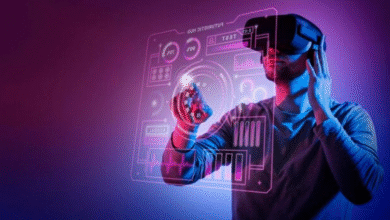
In today’s fast-paced world, technology is everywhere — from the smartphones in our hands to the smart devices that control our homes. For beginners, understanding modern innovations can feel overwhelming, but it doesn’t have to be. This simple guide will walk you through the basics of technology, breaking down complex concepts into easy-to-understand pieces, so you can confidently navigate the digital age.
Introduction to Modern Technology
What is Technology?
Technology refers to the tools, systems, and methods humans create to solve problems and improve life. From the invention of the wheel to the development of the internet, technology constantly evolves, making everyday tasks easier and more efficient.
See also: How Technology is Transforming Everyday Life: Innovations You Need to Know
Why Understanding Technology Matters
Understanding technology helps us make better decisions, stay safe online, and keep up with changes that affect our personal and professional lives. It empowers individuals to use devices and services effectively and even opens doors to new career opportunities.
Key Areas of Modern Technology
Information Technology (IT)
Information Technology involves managing computers and networks to store, process, and exchange data. It forms the backbone of most businesses and personal computing today.
Artificial Intelligence (AI)
AI allows machines to perform tasks that typically require human intelligence, such as recognizing speech, making decisions, and learning from data. AI is increasingly present in voice assistants, recommendation systems, and automated customer service.
Internet of Things (IoT)
IoT connects everyday objects like home appliances, cars, and wearable devices to the internet, enabling them to send and receive data. This technology makes homes smarter and daily routines more convenient.
Blockchain Technology
Blockchain is a secure, decentralized system used primarily for recording transactions transparently and immutably. It’s famous for cryptocurrencies but has potential in areas like supply chain management and voting systems.
Renewable Energy Technologies
Modern innovations in solar, wind, and other renewable energy sources aim to reduce environmental impact and create sustainable power solutions for the future.
Basic Terminologies in Technology
Hardware vs Software
Hardware refers to the physical parts of a computer or device, like the screen or keyboard. Software is the set of instructions and programs that tell hardware what to do.
Cloud Computing
Cloud computing allows users to store and access data and programs over the internet instead of on a local computer. This makes information available anytime, anywhere.
Data and Big Data
Data is information collected from various sources. Big Data refers to extremely large data sets analyzed to reveal patterns, trends, and associations, especially relating to human behavior.
Cybersecurity
Cybersecurity is the practice of protecting devices, networks, and data from unauthorized access or attacks, keeping information safe and private.
How Technology Impacts Everyday Life
Communication
Technology has revolutionized communication with emails, instant messaging, video calls, and social media, making it easy to stay connected worldwide.
Healthcare
Innovations like telemedicine, wearable health trackers, and AI-driven diagnostics are improving medical care and patient outcomes.
Education
Online learning platforms and digital tools are making education accessible to millions, providing flexible learning opportunities.
Entertainment
Streaming services, gaming, and digital media provide endless entertainment options tailored to individual tastes.
Understanding Devices and Gadgets
Smartphones
Smartphones are compact devices combining a phone, camera, internet browser, and many other functions, becoming essential tools for modern living.
Wearable Technology
Wearables like smartwatches and fitness trackers monitor health metrics and keep users connected without needing to pull out a phone.
Smart Home Devices
From voice-activated assistants to automated lighting, smart home devices improve comfort, convenience, and energy efficiency.
Simple Explanation of Software and Apps
What Are Apps?
Apps (applications) are software programs designed to perform specific tasks on devices, such as messaging, photo editing, or online shopping.
Operating Systems
Operating systems like Windows, iOS, and Android manage hardware and software, providing a user interface to interact with devices.
Popular Apps for Beginners
Common beginner-friendly apps include messaging platforms (WhatsApp), browsers (Google Chrome), and video calling apps (Zoom).
Navigating the Internet Safely
Basics of Browsing
Browsing involves using web browsers to access websites and online services. Understanding URLs, search engines, and bookmarks helps beginners surf safely.
Protecting Personal Information
Use strong passwords, enable two-factor authentication, and be cautious about sharing sensitive details online to guard your privacy.
Recognizing Scams and Malware
Beware of phishing emails, suspicious links, and pop-up ads. Keeping software updated and using antivirus programs reduce risks.
Emerging Technologies to Watch
5G Networks
5G offers faster internet speeds and more reliable connections, enabling advancements like real-time streaming and smart cities.
Virtual Reality (VR) and Augmented Reality (AR)
VR immerses users in digital environments, while AR overlays digital content on the real world, enhancing gaming, training, and shopping experiences.
Autonomous Vehicles
Self-driving cars use sensors and AI to navigate roads, promising safer and more efficient transportation in the near future.
Tips for Learning Technology as a Beginner
Start Small and Practice
Begin with basic devices and apps. Hands-on experience builds confidence and understanding over time.
Use Online Resources and Tutorials
Many free tutorials, videos, and courses are available online to guide beginners step-by-step.
Join Tech Communities
Participating in forums or social groups helps share knowledge and find support.
Common Challenges Beginners Face and How to Overcome Them
Overwhelming Information
Focus on learning one concept at a time and take breaks to avoid burnout.
Fear of Making Mistakes
Errors are part of learning. Don’t hesitate to explore and experiment safely.
Keeping Up with Rapid Changes
Stay updated through news, blogs, and tech newsletters to keep pace with new developments.
The Future of Technology: What Beginners Should Expect
Continuous Innovation
Technology will keep evolving, introducing smarter, more efficient tools to improve life.
Ethical Considerations
As tech grows, questions about privacy, AI ethics, and digital rights become crucial.
The Role of Humans in a Tech-Driven World
Despite automation, human creativity and decision-making remain essential.
Frequently Asked Questions (FAQs)
Q1: What is the easiest technology to learn for beginners?
A1: Smartphones and basic computer skills are good starting points because they’re widely used and supported by many tutorials.
Q2: How can I protect my privacy online?
A2: Use strong passwords, avoid sharing sensitive info, and keep your software updated.
Q3: What skills are important for future technology jobs?
A3: Skills like coding, data analysis, and digital literacy are highly valuable.
Q4: Can older adults learn modern technology?
A4: Absolutely! Many seniors successfully learn new tech with patience and the right resources.
Q5: How often does technology change?
A5: Technology evolves rapidly; new updates and devices often come out every year.
Q6: What resources are best for beginners to learn technology?
A6: Websites like Khan Academy, YouTube tutorials, and beginner-friendly tech blogs are excellent starting points.
Conclusion
Understanding technology doesn’t have to be intimidating. By starting with the basics, using available resources, and staying curious, beginners can confidently embrace modern innovations. Technology is not just for experts—it’s a tool for everyone to improve daily life, connect with others, and open up new possibilities.